

For decades, the world’s largest companies operated with an advantage that smaller businesses simply could not match. They built enormous internal infrastructures dedicated to procurement, sourcing, logistics, compliance, quality control, forecasting, and supplier management. Entire teams existed solely to manage factories, negotiate contracts, oversee production timelines, and solve global operational problems before they became expensive disasters.
Most small and mid-sized businesses never had access to that level of support.
Instead, founders and lean teams often found themselves trying to manage global sourcing on their own — negotiating with overseas suppliers late at night, troubleshooting shipping delays, chasing quality issues, and attempting to forecast inventory with limited visibility and even less time.
For years, this imbalance was simply accepted as part of doing business.
Today, that is changing rapidly.

Artificial Intelligence is beginning to reshape global supply chains in ways that were almost unimaginable just a few years ago. The companies that adapt to this shift early may gain a significant competitive advantage. The companies that ignore it may find themselves operating slower, less efficiently, and at greater risk in an increasingly volatile global market.
But there is an important distinction many businesses are only beginning to understand:
AI is not replacing supply chain management…It is transforming it.
And in many cases, it is making experienced outsourced supply chain partners more valuable than ever before.
Companies like C-Solutions Group are helping businesses combine modern technology with real-world operational expertise — giving growing companies access to capabilities that once existed only inside major corporations.
The Supply Chain Has Become Too Complex to “Figure Out as You Go”
There was a time when importing products felt relatively straightforward. A company could find a supplier, negotiate pricing, place an order, arrange shipping, and repeat the process with minimal disruption.
That environment no longer exists.
Global sourcing has become dramatically more complicated over the past several years. Rising tariffs, geopolitical uncertainty, freight volatility, labor disruptions, supplier instability, and rapidly shifting consumer demand have created a business environment where small operational mistakes can quickly become expensive ones.
At the same time, ecommerce growth has accelerated customer expectations. Amazon sellers, TikTok Shop brands, and fast-growing ecommerce companies are now expected to maintain inventory availability, rapid fulfillment, competitive pricing, and consistent product quality simultaneously.
The margin for error has become incredibly small.
A delayed container can lead to stockouts. A poor supplier decision can damage brand reputation. A quality control issue can trigger refund spikes and marketplace penalties. An inaccurate inventory forecast can tie up cash flow for months.
Many growing businesses eventually reach the same realization: managing a modern supply chain is no longer a side responsibility. It is a specialized operational discipline.
That is precisely why AI is attracting so much attention throughout the procurement and logistics world.
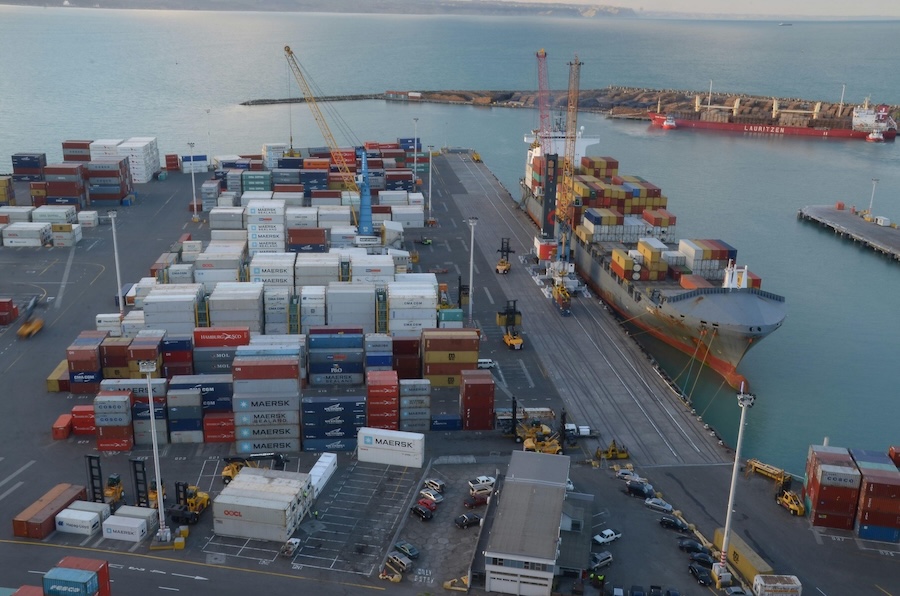
AI Is Giving Businesses Access to Better Information Faster Than Ever
One of the most important ways AI is changing supply chains is through speed and visibility.
Traditionally, supplier discovery was time-consuming and often unreliable. Businesses depended heavily on trade shows, referrals, sourcing agents, or endless online searches to locate manufacturing partners. Even then, verifying legitimacy and capability remained difficult.
Today, AI-powered systems can analyze enormous supplier databases, identify manufacturing alternatives, compare pricing patterns, evaluate supplier histories, and uncover sourcing opportunities in a fraction of the time previously required.
This becomes especially important as more companies look beyond China for manufacturing diversification. Countries like Vietnam, India, Mexico, Thailand, and Indonesia are attracting growing interest from companies seeking to reduce dependency on a single sourcing region.
However, identifying a supplier is not the same as managing one successfully.
This is where many businesses misunderstand the role of AI.
AI can help locate factories. It can organize data. It can identify patterns. It can even assist with forecasting and analytics.
What it cannot fully replace is operational judgment.
An experienced supply chain team understands the questions that software alone cannot answer. Is the factory financially stable? Are communication gaps likely to create production problems? Is pricing sustainable long term, or is the supplier underbidding to win business? Will production quality remain consistent at scale? Are deadlines realistic?
Technology may accelerate information gathering, but experience still determines whether that information leads to smart decisions.
The Future of Procurement Is Not “AI Versus Humans”
Many conversations about Artificial Intelligence focus on replacement. Businesses are constantly asking which jobs AI will eliminate and which processes will become automated.
In supply chain management, that framing misses the bigger picture.
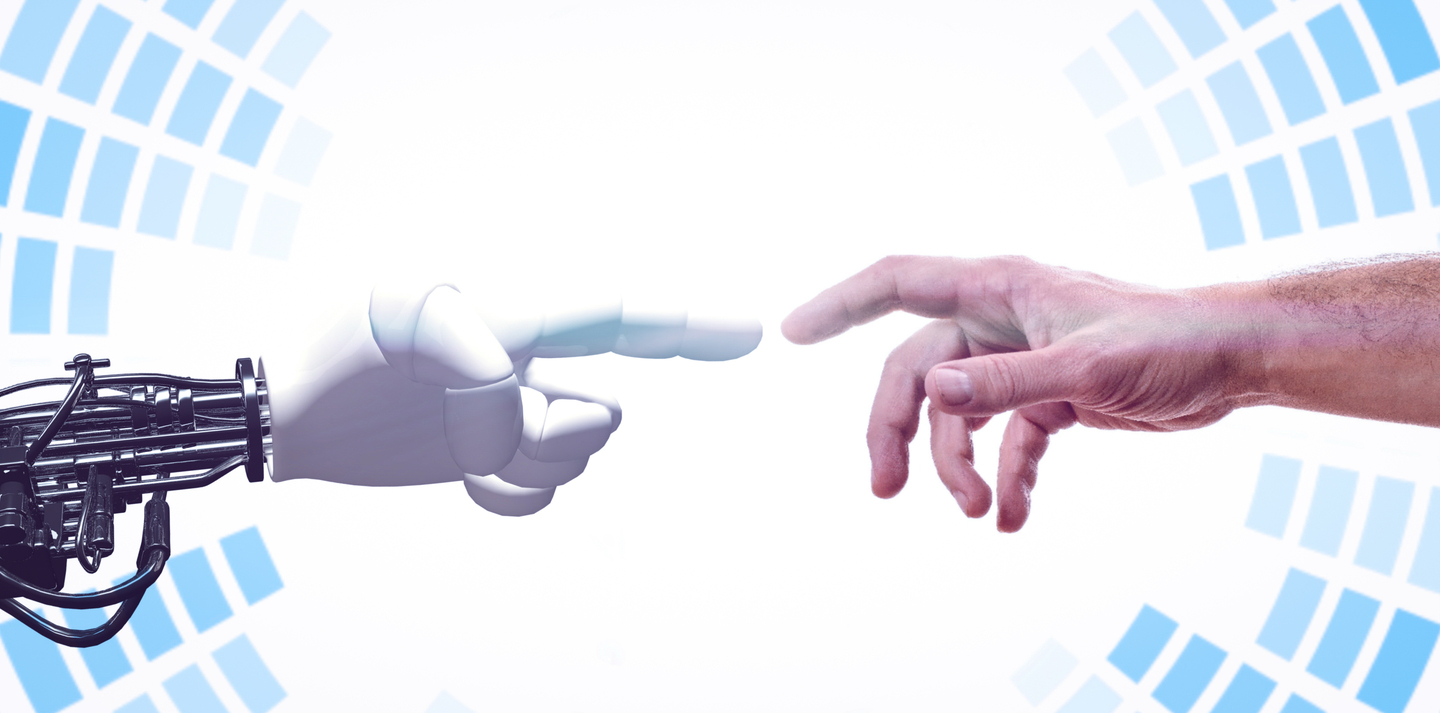
The companies gaining the greatest advantage are not replacing experienced operators with AI. They are combining both.
AI excels at processing massive amounts of information quickly. Human expertise excels at interpretation, negotiation, relationship management, and strategic decision-making.
That combination is extraordinarily powerful.
An experienced outsourced supply chain partner can use AI-enhanced tools to identify risks faster, improve forecasting, streamline communication, and increase operational visibility. But they also provide something algorithms cannot replicate easily: accountability.

When production deadlines slip, shipments stall, factories change specifications, or quality problems emerge, businesses still need experienced professionals who know how to intervene, solve problems, and protect the client’s interests.
In many ways, AI is increasing the value of operational expertise because it allows experienced teams to work more efficiently and proactively than ever before.
Why More Businesses Are Reconsidering the In-House Model
For many growing companies, building an internal procurement and logistics department once seemed like the natural next step. Hiring sourcing managers, logistics coordinators, compliance staff, and quality control personnel was viewed as a sign of growth and sophistication.
But the economics of that model are changing.
Hiring experienced global supply chain professionals is expensive. Building international operational infrastructure takes years. Managing overseas supplier networks requires specialized expertise that many companies only need intermittently. Even then, internal teams often struggle with bandwidth limitations as businesses scale.
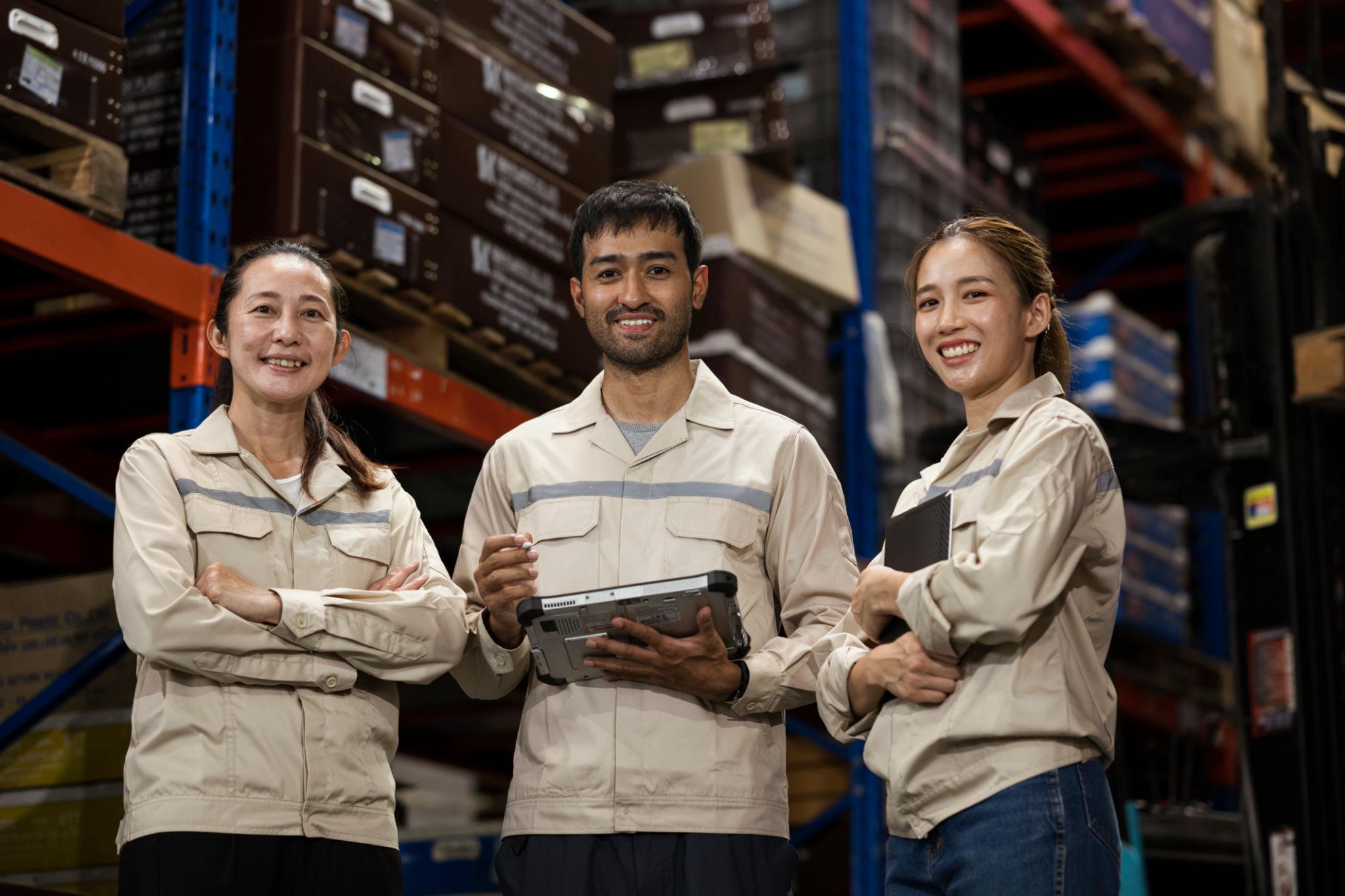
Outsourced supply chain management offers a different model entirely.
Instead of attempting to build a Fortune 100-style procurement department internally, companies can partner with organizations that already possess global sourcing infrastructure, supplier networks, logistics experience, and operational systems.
This allows businesses to access high-level supply chain capabilities without carrying the overhead associated with building those departments themselves.


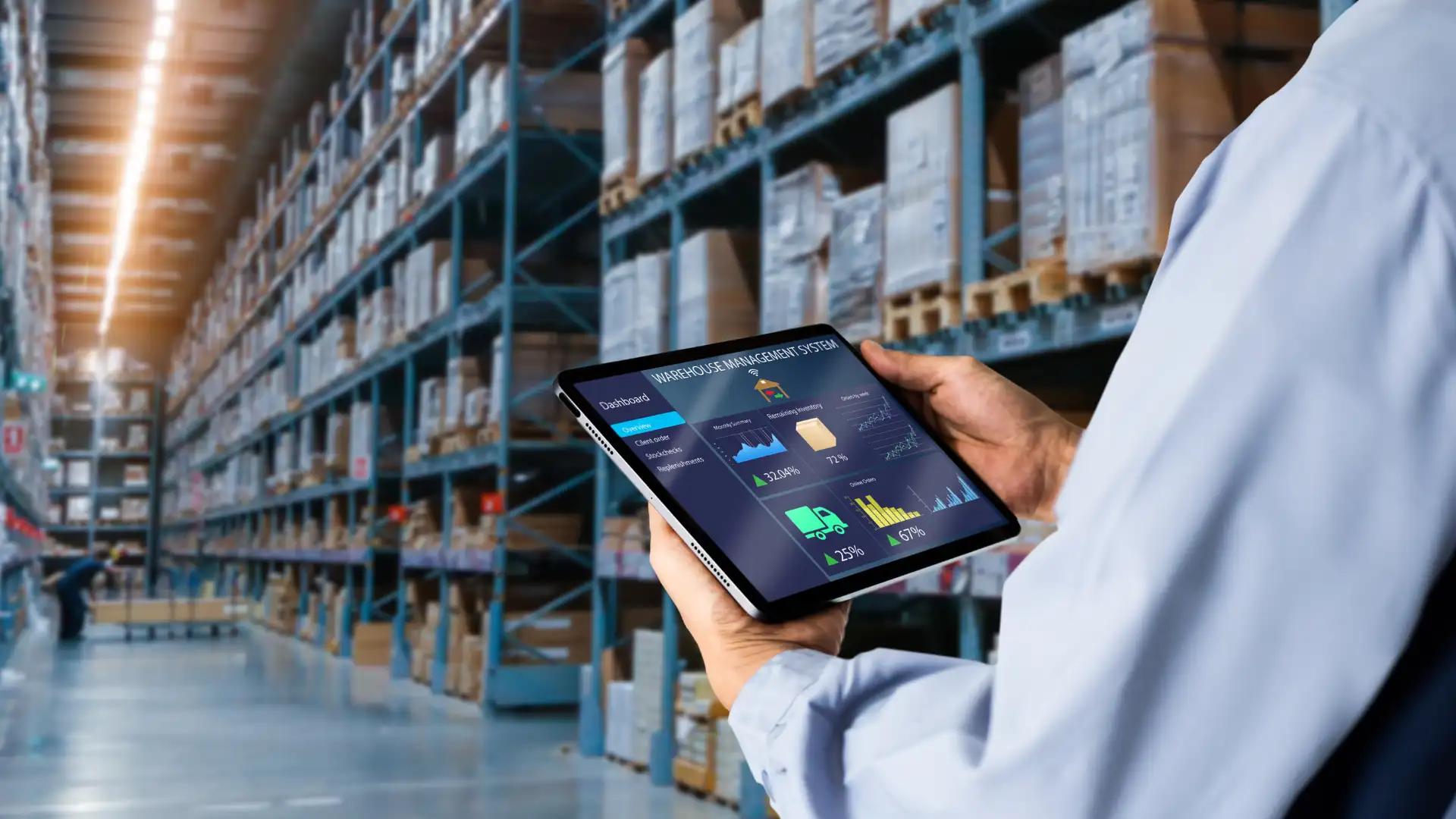
For startups, this can significantly reduce risk during product launches.
For TikTok/Amazon/Shopify sellers, it can improve scalability while reducing operational chaos.
For mid-sized businesses, it can create flexibility and efficiency at a time when supply chain volatility continues to increase.
Most importantly, it allows founders and leadership teams to refocus on growth rather than spending their time managing production schedules, freight issues, supplier communication, and inventory emergencies.
Many Businesses Underestimate the Hidden Cost of Operational Chaos
When companies think about sourcing costs, they often focus only on manufacturing pricing or freight expenses.
But operational problems create far larger hidden costs.
A supplier delay can disrupt product launches and damage marketplace rankings. Poor quality control can lead to refunds, customer complaints, and reputational harm. Inventory shortages can reduce sales momentum precisely when growth opportunities appear. Excess inventory can trap working capital that businesses desperately need elsewhere.
Then there is the cost many founders rarely calculate honestly: distraction.
Countless business owners spend enormous amounts of time solving operational problems they were never truly equipped to manage. They become trapped in reactive cycles — chasing updates, negotiating delays, resolving supplier misunderstandings, and firefighting logistics problems instead of focusing on growth, sales, branding, customer acquisition, or strategic expansion.
In many cases, the issue is not effort. It is infrastructure.
Modern supply chains have become too complex for many businesses to manage casually.
The Companies That Adapt Fastest Will Win
The global supply chain landscape will continue evolving rapidly over the next decade. AI will become increasingly integrated into procurement systems, forecasting tools, logistics visibility platforms, and supplier management processes.
But technology alone will not determine which businesses succeed.
The companies that thrive will likely be the ones that combine modern technology with operational agility, strategic sourcing expertise, and scalable support systems.
They will diversify intelligently rather than react emotionally. They will build resilient supplier relationships rather than constantly chasing the lowest quote. They will prioritize visibility, adaptability, and execution rather than relying on outdated sourcing models built for a different era.
Most importantly, they will recognize that global supply chain management is no longer just an operational necessity.
It is now a competitive advantage.

Final Thoughts
Artificial Intelligence is transforming the global supply chain industry at an extraordinary pace. Businesses now have access to tools and data that were once available only to the world’s largest corporations.
But access to information is not the same as operational execution.
Experienced oversight still matters. Supplier relationships still matter. Quality control still matters. Strategic sourcing still matters.
The companies that understand how to combine AI-driven efficiency with experienced supply chain management may ultimately be the ones best positioned for long-term growth.
That is where outsourced partners like C-Solutions Group are becoming increasingly valuable.
By acting as an outsourced supply chain department, C-Solutions Group helps businesses navigate sourcing complexity, reduce operational risk, improve visibility, and scale more efficiently in an increasingly unpredictable global market.
The future does not belong solely to the biggest companies.
It belongs to the most adaptable ones.
Recent Comments